
By Magenta on Mar 06, 2026

What is a credit score, and why does it matter for businesses?
As a business owner, you have two credit scores that matter — and they work very differently:
The real-world impact: According to the Federal Reserve, 60% of small businesses say their credit score directly affected whether they could access funding. A strong business credit score can mean better vendor payment terms (net-60 instead of net-30), lower insurance premiums, and faster funding approvals.
The good news. Your business credit and personal credit are separate. Even if your personal score isn't perfect, you can build strong business credit — and alternative finance providers like Magenta focus on your business performance rather than either score.
What is the difference between a personal and a business credit score?

Both personal and business credit scores measure financial reliability, but they operate differently.
Personal credit is tied to your Social Security Number (SSN) and reflects individual borrowing habits — credit cards, mortgages, and consumer accounts. Agencies like Experian, Equifax, and TransUnion calculate scores between 300 and 850.
Business credit is connected to your Employer Identification Number (EIN) and evaluates how your business pays vendors and manages commercial obligations. These scores are often publicly accessible to vendors and partners.
A common misconception is that business credit is automatically linked to the owner's personal score. That's not always true — alternative finance providers like Magenta evaluate the business itself, focusing on operations and revenue performance rather than a required personal credit score.
The takeaway: Personal credit reflects you; business credit reflects your company. Keeping them separate is crucial for financing, contracts, and legal protection.
Does your business have a credit score by default?
Your company doesn't automatically have a credit score just because it exists. Unlike personal credit, which builds from your first credit card, business credit must be intentionally established.
A business credit profile begins when your company registers with bureaus like Dun & Bradstreet, Experian Business, or Equifax Small Business. D&B assigns a D-U-N-S number — a unique identifier that becomes your business's financial fingerprint.
How to start building business credit:
- Register your business legally (LLC or incorporation)
- Obtain an EIN from the IRS
- Open dedicated business bank accounts and credit cards
- Work with vendors who report payments to credit bureaus
- Monitor your reports regularly through platforms like Nav
Research indicates that small businesses with established credit profiles experience up to 25% faster revenue growth due to better terms and partnerships.
How do I check my personal credit score for free?
Checking your personal credit score is one of the smartest habits any business owner can develop. While it differs from business credit, understanding your personal profile helps you make better financial decisions.
Free resources to check your personal credit:
- AnnualCreditReport.com — Official government-authorized site for free annual reports from Experian, Equifax, and TransUnion
- Credit Karma — Free weekly updates from TransUnion and Equifax
- Experian Free Account — Access your Experian score anytime
- Credit Sesame — Free monthly credit score updates
- Your bank — Many institutions include free FICO or VantageScore access
FICO Score Ranges:
Check your score monthly to spot errors or identity theft early.
Important: Magenta doesn't require a minimum FICO score for business funding eligibility. The focus is on your company's performance — revenue, consistency, and potential. Check your eligibility here based on business requirements.
Where can I check my business credit score without paying?
Many business owners don't realize their company has a separate credit profile — one that's publicly accessible to vendors, finance providers, and potential clients.
Free resources to check your business credit:
- Nav — Free summary from Dun & Bradstreet, Experian, and Equifax
- Dun & Bradstreet — Free D-U-N-S Number and CreditSignal monitoring
- Experian Business — Free summary through partner platforms
- U.S. Small Business Administration — Guidance and tools for building business credit
What's on your business credit report:
- Company details (name, address, industry)
- Credit accounts and payment history
- Public records (liens, judgments, bankruptcies)
- Risk scores predicting payment likelihood
Monitor regularly — inaccuracies can unfairly impact your score when applying for funding or negotiating terms.
What is considered a good business credit score?
Unlike personal credit's standardized 300 – 850 range, business credit scores vary by bureau.
Key factors affecting business credit:
- Payment history and consistency
- Credit utilization
- Account age
- Public records (liens, bankruptcies)
- Industry risk
Score benchmarks:
A score of 80+ (on 0 – 100 scales) is considered excellent. Scores below 50 signal potential.
Benefits of strong business credit:
- Better vendor payment terms
- Lower insurance premiums
- Stronger partnership opportunities
- Improved funding options
Maintain your score by paying on time, keeping balances low, and working with vendors who report to credit bureaus.
Can I get business funding if my credit score isn't great?

A less-than-perfect credit score doesn't have to limit your business. While traditional banks rely heavily on credit history, alternative finance providers like Magenta focus on cash flow, stability, and growth potential.
Credit score is just one piece of the puzzle. Many successful companies have limited credit histories. Seasonal changes, startup costs, or external challenges can temporarily lower scores while the business remains financially strong.
How Magenta evaluates your business
Magenta specializes in revenue-based financing (RBF) — a flexible model where payments adjust based on your monthly revenue. When business slows, reach out and your payments will decrease.
To qualify:
- At least one year in business
- Generate $15,000+ in monthly revenue
- Active business checking account
- No minimum FICO score required
Why Magenta stands out
Magenta offers revenue-based financing up to $250K, enabling businesses with strong operations to access capital regardless of credit challenges.
Case Study: How a Business With Poor Credit Secured Funding Through Magenta
Business: Home services company
Time in business: 2.5 years
Monthly revenue: $38,000
Owner's credit score: 560
Challenge: Rejected by banks due to low credit score
Despite steady revenue, this business was denied by traditional banks and online providers. After applying through Magenta, the company was evaluated on actual performance — revenue consistency and transaction volume — not credit score.
Results:
Offer received within 1 hour
$42,000 in revenue-based financing approved
Funds deposited same business day
Dedicated funding advisor assigned
Flexible payments adjusting with revenue
Monthly revenue increased 35% within three months
The takeaway: Your credit score doesn't define your business's potential. What matters is how effectively your company operates and grows.
Explore your options with Magenta's funding calculator or get started here. Invest in possible.
What's the bottom line on business vs personal credit scores?
Understanding the difference between personal and business credit helps you make smarter financial decisions.
Key distinctions:
- Personal credit = tied to your SSN, reflects individual habits, remains private
- Business credit = tied to your EIN, reflects company obligations, often public
Keeping them separate protects your personal finances and strengthens your business credibility.
For funding: Strong business credit helps, but it's not the only factor. Alternative finance providers like Magenta focus on cash flow, consistency, and performance — meaning your company can qualify for revenue-based financing up to $250K even without perfect credit.
Your credit score is a tool — not a verdict. The real measure of success is how effectively your business performs.
Ready to explore funding based on performance, not just a score? Get started today or connect through Magenta's contact page to speak with a dedicated funding advisor. Invest in possible.
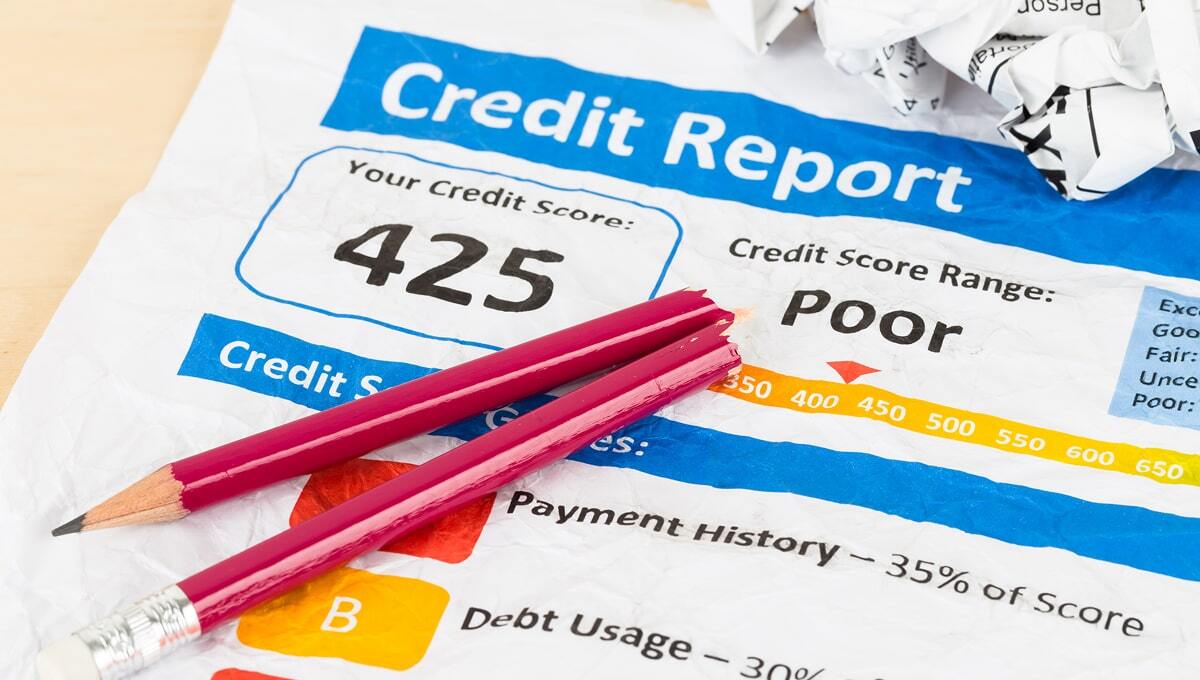
Why Credit Scores Cause Declines — and Why Magenta Looks Beyond Them

Understanding No-Credit-Check Business Financing In North Carolina